Pressure Washing services in LaGrange, GA
Pressure Washing EXPERT
Blasts away stubborn dirt, grime, and stains from durable outdoor surfaces like concrete driveways, walkways, and patios.
Professional Pressure Washing to Restore the Look of Your Home's Exterior Surfaces
Dirt, mildew-like surface buildup, and weather-related grime can make driveways, walkways, patios, and other exterior areas look neglected. Our painting and pressure washing services help property owners maintain a cleaner-looking exterior, with options such as soft washing for delicate siding and other suitable surfaces and gutter cleaning to remove leaves and roofline debris when those services fit the property's needs.
Effective pressure washing starts with identifying the surface and the type of buildup that needs attention. Concrete, stone, pavers, and other durable materials may tolerate different cleaning settings than painted siding, wood, or older finishes. We consider the material, condition, surrounding features, and cleaning objective before selecting an appropriate method for the project.
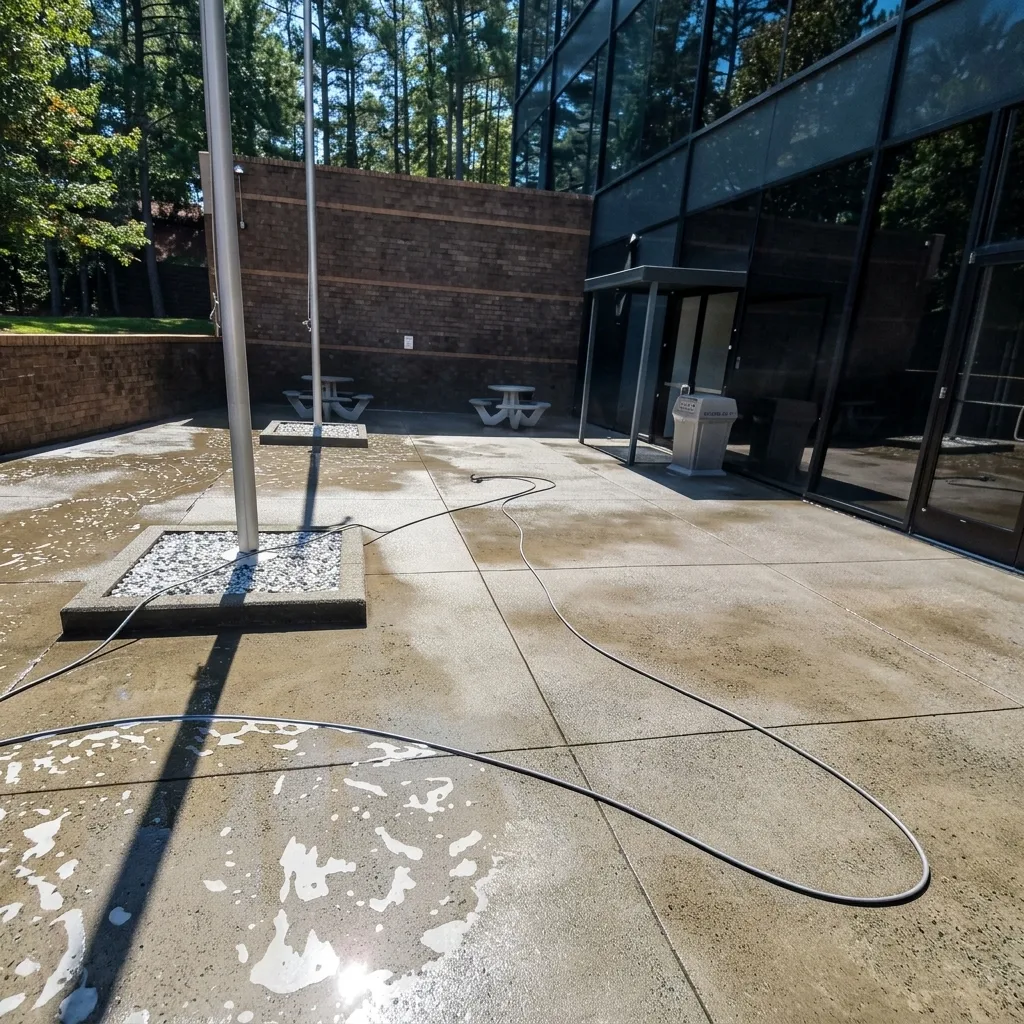
A Careful Exterior Wash Can Bring Back the Appearance of Frequently Used Surfaces
Exterior surfaces are exposed to dust, rain, foot traffic, vehicle use, pollen, leaves, and other sources of everyday residue. Over time, these deposits can create darkened areas and uneven-looking patches on concrete, walkways, patios, and other suitable surfaces. Regular visual maintenance helps property owners notice when accumulated grime is affecting the appearance of these areas.
Pressure washing can help remove suitable surface buildup when the material can tolerate the selected water pressure and cleaning technique. The goal is not to use the highest pressure possible. A controlled approach, correct equipment settings, and appropriate distance are important for avoiding damage to joints, coatings, landscaping, and nearby property features.
- Improve the appearance of compatible concrete driveways, sidewalks, and other hard exterior surfaces
- Address suitable dirt and grime on patios, entryways, and outdoor gathering areas
- Refresh selected exterior surfaces affected by regular foot traffic, vehicle activity, and weather exposure
- Help remove loose surface residue from materials that are appropriate for pressure-based cleaning
- Support a more consistent exterior appearance when cleaning is planned around the property's different surface types
- Coordinate exterior washing with other maintenance tasks when those services are included in the agreed project scope
Not every exterior surface should be pressure washed. Aging paint, loose mortar, damaged wood, delicate siding, and some roof or coated surfaces may require a softer method or a different type of care. Evaluating the material first helps determine whether pressure washing is suitable.
Dependable Pressure Washing Across the Communities We Serve
Each property has its own mix of exterior surfaces, from long driveways and front walks to patios, entry pads, and other hardscapes. We provide pressure washing services throughout the communities below, with the cleaning plan based on the material, visible buildup, access, and nearby features that need consideration. Choose your area to view local service information.
- LaGrange, GA : LaGrange properties can benefit from focused cleaning for driveways, sidewalks, and outdoor areas that collect vehicle residue and everyday foot traffic. The cleaning approach is selected according to the surface condition and the type of buildup present.
- Hogansville, GA : In Hogansville, pressure washing can help refresh hard surfaces around entrances, garages, and outdoor living spaces. We consider the material and surrounding landscaping before choosing equipment settings and a suitable cleaning process.
- West Point, GA : West Point homeowners can address accumulated grime on compatible concrete and other durable exterior surfaces. A property-specific plan helps distinguish areas that can be pressure washed from painted or delicate finishes that need gentler treatment.
- Newnan, GA : For properties in Newnan, exterior washing can improve the presentation of driveways, walkways, and patio areas where dirt and outdoor residue have become noticeable. The work is organized around the surface type and the property's layout.
- Senoia, GA : Senoia customers can arrange pressure washing for suitable outdoor surfaces that have darkened from routine use or weather exposure. Attention to joints, edges, and nearby finishes helps determine the safest and most practical way to clean each area.
- Grantville, GA : In Grantville, a pressure washing project can focus on concrete paths, entry areas, and outdoor spaces that see frequent use. The cleaning scope can be tailored to the amount of buildup and the condition of the surfaces selected.
- Sharpsburg, GA : Sharpsburg properties may have a combination of paved areas, patios, and exterior details that collect dirt at different rates. We review each material before choosing whether pressure washing or a lower-pressure alternative is more appropriate.
- Turin, GA : Turin homeowners can refresh suitable hardscapes around the home, such as walkways and driveway sections affected by tracked-in soil and environmental residue. The process is adjusted for surface strength, condition, and nearby property features.
- Moreland, GA : Moreland customers can consider pressure washing when exterior concrete and other durable surfaces look dull from accumulated grime. A review of the area helps identify the right cleaning coverage and whether any fragile sections should be excluded.
- Haralson, GA : In Haralson, pressure washing can be planned for high-use exterior areas where dirt collects around vehicles, footpaths, and gathering spaces. Surface age and condition guide the appropriate pressure and cleaning technique.
- Franklin, GA : Franklin property owners can address exterior grime on compatible driveways, paved entries, and outdoor hard surfaces. The work can be prioritized around the areas that have the most visible buildup and the greatest day-to-day use.
- Centralhatchee, GA : For homes in Centralhatchee, pressure washing can target suitable exterior surfaces that have collected dust, soil, or traffic-related residue. The property's layout and the condition of each material help shape the cleaning plan.
- Ephesus, GA : Ephesus property owners can consider a surface wash for compatible concrete areas around garages, entrances, and outdoor paths. Careful setup is important where joints, coatings, landscaping, or adjacent finishes could be affected by water pressure.
- Glenn, GA : In Glenn, pressure washing can help restore a cleaner look to suitable hard surfaces that are exposed to windblown dirt and everyday activity. The cleaning method is selected to suit the actual material rather than applying the same settings everywhere.
- Greenville, GA : Greenville homeowners can plan exterior cleaning for driveways, walkways, and other durable surfaces that influence the property's first impression. The service can focus on specific sections or a broader group of approved hardscape areas.
- Manchester, GA : Manchester properties can receive targeted washing for outdoor surfaces marked by foot traffic, vehicle use, and accumulated dirt. We consider drainage and nearby features so the cleaning process is organized around the site's practical needs.
- Woodbury, GA : In Woodbury, exterior washing can be used to refresh appropriate paved spaces and outdoor areas that have become discolored through routine exposure. Surface condition and material compatibility determine the cleaning technique used for each section.
- Warm Springs, GA : Warm Springs property owners can consider pressure washing for suitable exterior surfaces around entries, patios, and parking areas. A careful review helps account for surface texture, joints, nearby plants, and any coatings that may need gentler cleaning.
- Luthersville, GA : Luthersville customers can focus a washing project on outdoor areas where dirt and residue have built up over time. The service scope can prioritize the most heavily used surfaces while avoiding materials that are too fragile for pressure-based cleaning.
- Gay, GA : In Gay, pressure washing can help improve the appearance of compatible driveways, sidewalks, and other hard exterior areas. The selected process depends on the surface's condition, the type of buildup, and the result the property owner wants to achieve.
Exterior Surfaces That May Be Suitable for Professional Pressure Washing
Pressure washing is most appropriate when the material can withstand the selected water pressure and cleaning technique. The specific surfaces included depend on their construction, age, existing finish, and the type of residue present. After reviewing the property, a project may include:
- Concrete driveways and parking areas to address suitable dirt, tire marks, and everyday surface buildup
- Sidewalks and walkways for cleaning compatible paved paths and frequently used entry routes
- Patios and outdoor hardscapes where the material and condition support an appropriate washing method
- Entry pads and selected exterior concrete areas to refresh surfaces around doors, garages, and access points
- Suitable masonry and other durable surfaces when their joints, coatings, and condition allow pressure-based cleaning
- Other approved exterior surfaces identified during the project review and included in the agreed scope
Painted siding, older wood, loose mortar, damaged pavers, and delicate finishes may need soft washing or another cleaning method instead. Selecting a suitable process for each material is more important than applying pressure uniformly across the entire property.
The Right Pressure and Technique Help Clean Surfaces Without Unnecessary Wear
Pressure washing equipment can deliver water at different pressures and flow rates, but the strongest setting is not automatically the best choice. Excessive pressure or an incorrect nozzle angle can etch concrete, strip paint, damage wood fibers, loosen joint material, or force water into unwanted spaces. The surface should guide the equipment settings and cleaning distance.
Some exterior materials are better suited to soft washing, which uses a lower-pressure approach and an appropriate cleaning solution when compatible with the surface. A material-first assessment helps determine whether pressure washing, soft washing, or another maintenance method is the better fit for each part of the property.
Cleaner Driveways, Walkways, and Patios Can Improve the Way Your Exterior Looks
Driveways and paved paths are among the most frequently used areas around many properties. Vehicle movement, foot traffic, soil, fallen leaves, and weather exposure can all contribute to the buildup that changes their appearance. Cleaning suitable surfaces can help make these areas look more maintained and create a tidier transition between the home and its outdoor spaces.
Different hardscape materials need different considerations. Concrete, pavers, natural stone, and coated surfaces may vary in porosity, joint condition, and tolerance for water pressure. The cleaning process should account for those differences, including whether a test area or a softer method is appropriate before broader work begins.
Planning Around Landscaping, Drainage, and Nearby Property Features
A pressure washing project involves more than the surface being cleaned. Water runoff, nearby plants, outdoor furniture, electrical fixtures, doors, and surrounding finishes should be considered when preparing the work area. Moving or protecting selected items and planning where water will flow can help keep the job organized.
Cleaning products, where needed, should be appropriate for the surface and used according to their directions. The plan should also account for drainage and prevent avoidable impact on neighboring areas. These details are especially important when multiple surface types are close together.
Reliable Pressure Washing to Refresh Your Exterior Surfaces and Outdoor Spaces
When dirt and outdoor buildup are taking away from your property's appearance, our painting and pressure washing services provide a starting point for planning the right exterior maintenance. Our professional pressure washing service can be tailored to suitable driveways, walkways, patios, and other hard surfaces, while you can contact our team to discuss a pressure washing estimate for your property.
We focus on the condition and type of each surface, the buildup that needs attention, and the cleaning method that fits the material. Whether the project involves a single outdoor area or several approved hardscape surfaces, the work should be planned around the property and the results you want to achieve.
Consistent Exterior Maintenance Helps Keep High-Traffic Areas Presentable
Outdoor surfaces continue to collect dust, pollen, soil, leaves, and traffic-related residue after cleaning. Basic upkeep, including clearing loose debris and addressing drainage issues, can help prevent unnecessary accumulation. Periodic checks also make it easier to notice cracked concrete, loose pavers, or deteriorating coatings that may need repair rather than washing.
Cleaning frequency depends on the property's surroundings, amount of use, weather exposure, and material type. A driveway under trees may collect different deposits than an open walkway, while shaded patios may remain damp longer. The actual condition of the surface is a better guide than following one fixed schedule for every area.
When exterior surfaces show persistent staining or damage, identifying the source is important. Pressure washing can remove suitable surface buildup, but it does not repair cracks, restore failing sealants, or solve underlying drainage concerns.
A Structured Pressure Washing Process From Surface Review to Final Rinse
The project begins by identifying the areas to be cleaned and reviewing the material, surface condition, access, and visible buildup. This helps determine which sections are suitable for pressure washing and which may need soft washing or a different form of care.
Next, the work area is planned around nearby landscaping, drainage, fixtures, and other property features. Appropriate equipment settings and cleaning techniques are selected for the approved surfaces, and the work is carried out according to the agreed scope.
Once cleaning is complete, the treated areas and surrounding site can be reviewed against the requested work. The final result depends on the original condition, surface porosity, type of residue, and whether any permanent staining or material wear was present before cleaning.
Signs Your Exterior Hard Surfaces May Benefit From a Professional Wash
Exterior surfaces do not need to be severely neglected before cleaning becomes worthwhile. Everyday use and outdoor exposure can gradually leave visible deposits on areas around the home. Consider an assessment when you notice:
- Driveways or parking areas that have become darkened by dirt and routine vehicle activity
- Walkways and entrance paths with visible grime or accumulated outdoor residue
- Patio and outdoor gathering surfaces that look dull after repeated use and weather exposure
- Uneven-looking hardscape sections where surface buildup is more visible in shaded or damp areas
- Exterior concrete that needs attention before a planned property cleanup or outdoor improvement
- Several compatible paved areas that would benefit from one coordinated cleaning project
If you notice loose mortar, crumbling concrete, unstable pavers, peeling paint, or damaged wood, those conditions should be evaluated before pressure washing. Cleaning cannot correct failing materials and may make existing damage worse if the wrong method is used.
What to Look for in a Thoughtful Exterior Pressure Washing Plan
- Attention to surface material and condition before equipment settings are selected
- A clear scope identifying the driveways, paths, patios, or other areas included in the project
- Consideration of softer cleaning methods for delicate or coated materials that should not receive high pressure
- Care around landscaping, outdoor fixtures, joints, and nearby finishes during setup and cleaning
- Cleaning recommendations based on the type of buildup rather than a one-setting approach for every surface
- Clear communication about damaged or unstable areas that may need repair before washing
- Practical attention to water flow, drainage, and the surrounding work area
- A project plan organized around the property's maintenance priorities and the surfaces approved for cleaning
What Can Affect the Scope and Cost of Professional Pressure Washing?
Pressure washing estimates can depend on the total area, surface material, amount of buildup, access, and cleaning method required. The layout of the property and any precautions needed around landscaping, drainage, or nearby finishes may also influence the work involved. Reviewing these factors helps establish a project scope that reflects the actual site.
- Size of the areas being cleaned — larger driveways, walkways, patios, or groups of surfaces generally require more time and water
- Surface material and condition — concrete, pavers, stone, and coated materials have different cleaning limits and preparation needs
- Type and amount of buildup — compacted dirt, organic residue, and traffic-related marks can call for different approaches
- Access and property layout — distance, slopes, obstacles, and the location of water access can affect project setup
- Protection and drainage considerations — surrounding plants, fixtures, adjacent surfaces, and runoff paths may require additional precautions
- Additional exterior services — combining pressure washing with other requested property maintenance can change the overall scope
A review of the property and selected surfaces provides a more useful starting point for discussing the estimate, cleaning method, and work required to complete the project.
Frequently Asked Questions About Pressure Washing Services
Depending on their material and condition, suitable surfaces may include concrete driveways, sidewalks, walkways, patios, entry pads, and selected durable masonry or hardscape areas. Delicate siding, older wood, loose mortar, and certain coated finishes may require a lower-pressure method instead.
Yes. Excessive pressure, an unsuitable nozzle, or incorrect technique can etch concrete, remove joint material, damage coatings, or affect other surfaces. Equipment settings and cleaning distance should be matched to the material and its current condition.
Pressure washing uses pressurized water to clean suitable durable surfaces. Soft washing uses a lower-pressure application and may use a compatible cleaning solution for surfaces that need gentler treatment. The appropriate method depends on the material, buildup, and manufacturer's care guidance.
Pressure washing may improve the appearance of some surface stains, but results depend on the material, age, depth, and cause of the stain. Oil and deeply embedded discoloration may need additional treatment, and some marks may remain even after suitable cleaning.
Preparation depends on the areas being cleaned. Outdoor furniture, vehicles, loose items, and other objects may need to be moved or protected. Nearby plants, electrical fixtures, doors, and drainage paths should also be considered when planning the work area.
There is no single schedule for every property. Cleaning frequency depends on outdoor exposure, surrounding vegetation, surface type, foot and vehicle traffic, and the amount of visible buildup. The actual surface condition is a better guide than a fixed calendar.
Yes, pressure washing may be coordinated with other services such as soft washing or gutter cleaning when those services are suitable and included in the agreed project scope. Each surface should still receive the method appropriate for its material and condition.
Additional Painting and Property Care Services Beyond Pressure Washing
SEE WHAT OUR CUSTOMERS SAY ABOUT US
REVIEWS
REVIEW US ON GOOGLE
our process
Our process is simple and only contains a few steps
Proudly Serving tHESE aREAS
LaGrange, GA
Hogansville, GA
West Point, GA
Newnan, GA
Senoia, GA
Grantville, GA
Sharpsburg, GA
Turin, GA
Moreland, GA
Haralson, GA
Franklin, GA
Centralhatchee, GA
Ephesus, GA
Glenn, GA
greenville, GA
manchester, GA
woodbury, GA
warm springs, GA
luthersville, GA
gay, GA