sheetrock Repair services in LaGrange, GA
sheetrock Repair Service EXPERTS
Restore damaged interior walls and ceilings with professional sheetrock repair. From holes and cracks to dents and damaged drywall sections, we help create smooth, clean surfaces ready for painting and finishing.
Professional Sheetrock Repair for Smooth, Clean, and Refreshed Interior Walls
Holes, cracks, dents, and damaged drywall can make an otherwise well-kept room look unfinished. Our painting and pressure washing services support a range of property improvements, including interior painting after wall repairs and general carpentry for selected trim and woodwork projects when those services are needed as part of a broader update.
Sheetrock repair focuses on restoring damaged drywall so the surface is ready for the next stage of finishing. Depending on the condition, work may involve filling small holes, patching openings, repairing cracks, treating loose joint tape, applying joint compound, and sanding the area smooth. The repair method should match the size of the damage and the condition of the surrounding wall.
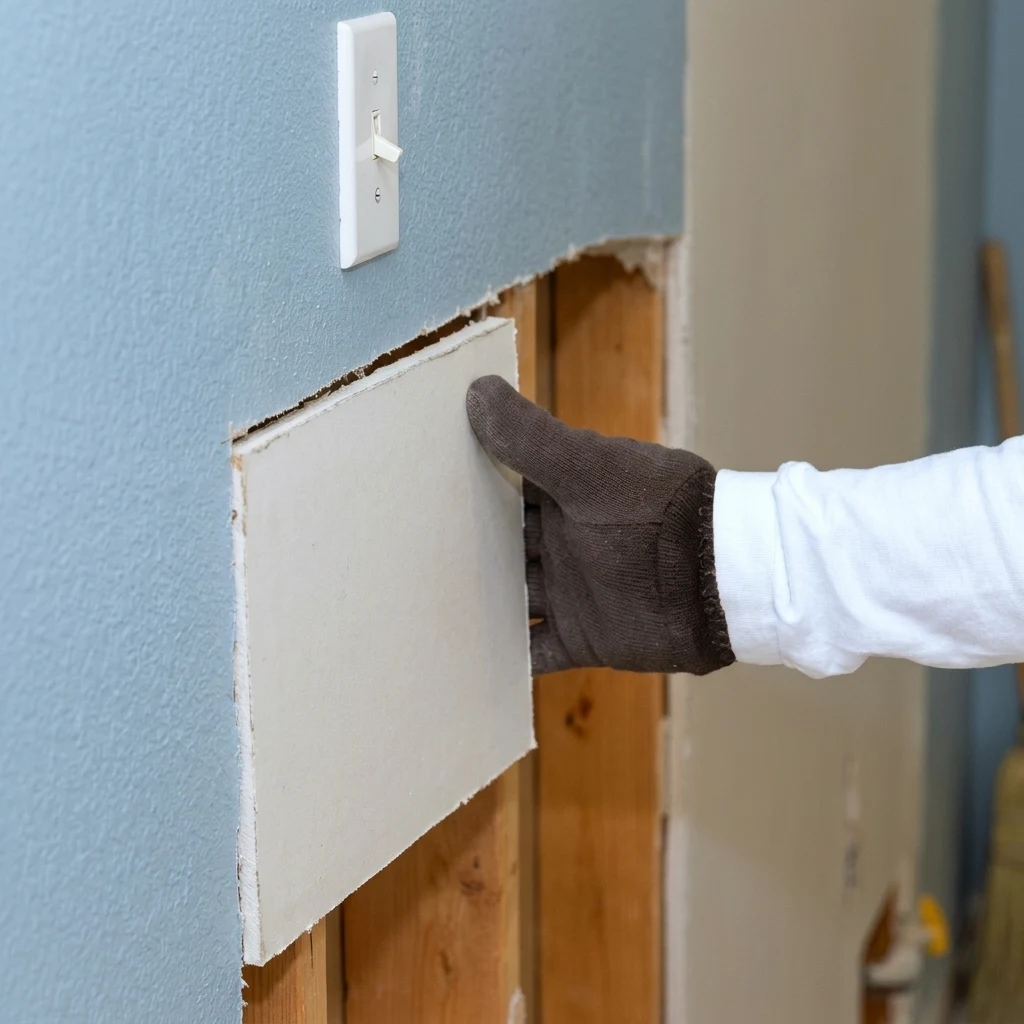
Repairing Wall Damage Helps Create a Better Starting Point for Interior Finishes
Drywall is used throughout many homes and buildings, but everyday activity can leave it with dents, punctures, cracked joints, nail pops, and damaged corners. Furniture movement, door handles, removed fixtures, and small renovation projects can all leave marks that become more noticeable over time. Even a relatively small defect can stand out once light falls across the wall.
Professional sheetrock repair addresses the affected area and prepares it for finishing. A repair may require backing support, a drywall patch, joint tape, joint compound, multiple drying stages, and sanding. The proper sequence depends on the size and location of the damage, as well as the texture and condition of the existing wall.
- Fill suitable small holes, dents, and fastener marks in interior drywall
- Patch larger openings where the surrounding sheetrock is sound enough to support the repair
- Address cracked or loose drywall joints with appropriate tape and compound
- Repair damaged outside corners and edges where the underlying framing and material remain suitable
- Prepare repaired areas for compatible primer and interior paint
- Improve the appearance of walls before decorating, selling, renting, or completing a room update
Drywall repairs should not conceal active leaks, recurring moisture, mold, structural movement, or other underlying problems. Those conditions need to be identified and corrected before the affected surface is closed and refinished. A careful assessment helps distinguish routine wall damage from issues that require additional work.
Sheetrock Repair Available for Homes and Properties Across Our Service Communities
Interior wall conditions vary with the age of a property, room activity, previous repairs, and the type of finish already in place. We provide sheetrock repair throughout the communities below, with each project considered according to the damage, surrounding drywall, texture, and finish required. Select your location to explore local service information.
- LaGrange, GA : In LaGrange, sheetrock repair can help restore interior walls after furniture impacts, small plumbing access work, or everyday household wear. The repair scope can be matched to the size of the damaged area and the finish surrounding it.
- Hogansville, GA : Hogansville homeowners can address dents, nail pops, and openings that interrupt an otherwise smooth wall. Careful patching and surface preparation help create a consistent base for primer and the final paint finish.
- West Point, GA : For properties in West Point, sheetrock repair may be useful after minor wall damage or updates to electrical and plumbing fixtures. The affected section can be assessed to determine whether patching, joint treatment, or replacement of a small drywall section is appropriate.
- Newnan, GA : Newnan residents can refresh rooms where cracks, holes, or damaged drywall have become noticeable. Repairs can be planned around room use, wall texture, and the way the finished surface will blend with nearby walls.
- Senoia, GA : In Senoia, sheetrock repair can address interior imperfections left by moving furniture, removing wall-mounted items, or completing small home updates. The preparation should account for the existing wall texture and paint so the repaired spot does not stand out unnecessarily.
- Grantville, GA : Grantville property owners can arrange drywall repairs for damaged corners, loose joint areas, or holes that need a neat finish. The repair method depends on the size of the opening and whether the surrounding sheetrock is still firmly attached.
- Sharpsburg, GA : For homes in Sharpsburg, sheetrock repair can help prepare bedrooms, hallways, and shared spaces for a fresh interior appearance. The work may include filling, taping, joint compound, and sanding as needed to create a paint-ready surface.
- Turin, GA : Turin homeowners can address wall damage that has developed around doorways, corners, or frequently used areas. A review of the damaged section helps determine whether a localized patch or a larger drywall repair is needed.
- Moreland, GA : In Moreland, drywall repair can improve the appearance of walls affected by small holes, cracks, or previous fixture changes. Attention to the surrounding surface and texture helps the repaired area fit more naturally into the room.
- Haralson, GA : Haralson property owners can consider sheetrock repair when interior walls show dents, loose tape, or damaged sections. The repair plan should also identify any signs of moisture or movement that need to be resolved before the surface is closed and finished.
- Franklin, GA : Franklin homeowners can prepare interiors for repainting or a room refresh by correcting drywall imperfections first. Addressing cracks, fastener marks, and damaged corners gives the new finish a more even surface to work with.
- Centralhatchee, GA : For properties in Centralhatchee, sheetrock repair can be scoped to isolated wall damage or several areas throughout a room. Matching the existing texture and preparing the repaired section carefully are important parts of a clean finished result.
- Ephesus, GA : Ephesus residents can arrange repairs for drywall openings, chipped edges, or surface damage that affects the look of an interior. Before work begins, the surrounding material should be checked to confirm it is dry, stable, and suitable for patching.
- Glenn, GA : In Glenn, sheetrock repair can help restore walls after minor household accidents or changes to mounted shelves and fixtures. The repair can include the appropriate patching and joint finishing steps based on the depth and size of the damage.
- Greenville, GA : Greenville property owners can address visible wall flaws before listing, moving into, or updating a home. A planned drywall repair can focus on holes, cracked joints, and uneven patches that would otherwise remain noticeable beneath new paint.
- Manchester, GA : Manchester homeowners may need sheetrock repair where repeated use has left dents, corner damage, or separated joint tape. The surface is assessed first so the repair can address the affected area without overlooking a wider underlying issue.
- Woodbury, GA : In Woodbury, sheetrock repair can help bring a more finished appearance to interior spaces with damaged wall sections or rough previous patches. The repair approach can be adapted to the wall's existing texture and the finish planned for the room.
- Warm Springs, GA : Warm Springs property owners can have drywall imperfections corrected as part of a home improvement or repainting project. Proper patching, joint finishing, and drying allow the area to be prepared for a compatible primer and paint.
- Luthersville, GA : Luthersville residents can consider sheetrock repair when old anchors, fixture removals, or accidental impacts leave holes in interior walls. The repair scope can be kept focused on the affected sections while accounting for the surrounding finish.
- Gay, GA : For homes in Gay, sheetrock repair can address wall damage that distracts from the room's overall appearance. From small holes to sections needing a drywall patch, the goal is to prepare a sound, smooth surface for the next stage of decorating.
Common Sheetrock Problems That Can Be Addressed With the Right Repair Method
Not every wall defect requires the same repair. A shallow dent may need a simple fill and finish, while a larger opening can require a patch secured to suitable backing. The surrounding drywall should be checked so the repair addresses the full damaged area rather than covering only its visible center.
- Small holes and dents from door handles, furniture, wall anchors, and everyday impacts
- Larger drywall openings that require a properly sized patch and secure support
- Cracked drywall joints where tape or compound has separated and needs to be renewed
- Nail pops and fastener marks that create raised or recessed spots on finished walls
- Damaged corners and edges where corner bead or surrounding sheetrock may need attention
- Uneven previous patches that remain visible and need additional surface preparation
Some cracks can be associated with normal minor settling, while others may indicate ongoing movement or moisture. Their cause should be considered before applying compound. Repeated cracking or widespread damage may need further evaluation before cosmetic repairs are made.
Proper Patching and Joint Finishing Help Create a More Uniform Wall Surface
A drywall patch needs to fit the opening and be supported appropriately. After the damaged material is prepared, a suitable patch and joint system can be used to rebuild the surface. Joint compound is typically applied in controlled layers, with adequate drying time and sanding between stages as required by the product and repair.
Feathering the compound beyond the immediate repair helps blend the new work into the surrounding wall. The amount of finishing needed depends on the lighting, wall texture, and final paint sheen. Proper preparation is important because even a well-secured patch can remain visible if the surface transitions are rough or uneven.
Matching Existing Wall Texture Makes the Finished Repair Less Noticeable
Interior walls may have smooth, orange-peel, knockdown, or other textured finishes. A patch that does not resemble the surrounding surface can stand out after painting, even when the hole itself has been filled correctly. The existing texture should therefore be considered during the repair and finishing process.
Once the patch and compound are properly dry, the area can be sanded and prepared for a compatible primer. Painting may be handled as a separate service or coordinated with the repair when included in the project scope. The closest possible finish depends on the original wall texture, paint age, color variation, and available materials.
Address the Source of Moisture or Movement Before Closing Up a Damaged Wall
Water stains, soft drywall, recurring bubbling, and areas that keep deteriorating may point to a problem beyond ordinary surface damage. A leak, condensation, plumbing issue, or exterior water entry should be investigated and corrected before replacement drywall or joint compound is installed. Closing a wall while it is still damp can lead to further damage and repeat repairs.
Widespread staining, suspected mold, or damage around electrical or plumbing components may require qualified specialists. Sheetrock repair can restore the wall after the underlying issue has been properly handled, but it should not be treated as a substitute for moisture remediation, leak repair, or electrical and plumbing work.
Reliable Sheetrock Repair to Restore the Appearance of Your Interior Walls
When holes, cracks, dents, or damaged drywall are affecting the look of your rooms, our painting and pressure washing services provide a starting point for planning the right property improvement. Our professional sheetrock repair service can address suitable wall and ceiling damage, while you can contact our team to discuss a drywall repair estimate for your property.
We consider the size of the damaged area, the condition of the surrounding sheetrock, and the finish needed for the room. Whether the work involves a small patch, a damaged corner, or several areas that need attention, the repair plan should be based on the actual wall condition and the result expected after finishing.
Give Repaired Drywall the Right Conditions Before Painting or Decorating
Joint compound and primer need to dry according to their product instructions before the repaired area is painted or covered. Avoid placing heavy fixtures back onto a patched section until the repair is fully finished and any required mounting support has been installed. Wall-mounted items should be secured to suitable framing or anchors rather than relying on the finished drywall surface alone.
After painting, ordinary care can help keep the wall looking consistent. Use cleaning methods suitable for the paint finish and avoid excessive moisture or abrasive scrubbing. If new cracks, stains, or soft areas appear, have the cause checked instead of repeatedly covering the affected spot.
Future touch-ups are easier when the paint color, product, and finish used for the room are recorded. Keeping those details can help with maintenance if another small repair is needed later.
A Clear Sheetrock Repair Process From Damage Review to Paint-Ready Finish
The project starts with identifying the damaged locations and checking the surrounding wall or ceiling. The size of each opening, the condition of nearby joints, the existing texture, and any signs of moisture or movement help determine the appropriate repair method.
Next, damaged or loose material is prepared for repair. A suitable patch, tape, compound, or corner treatment is used as needed, with drying and sanding stages carried out according to the repair system. The aim is to create a stable, even transition between the repaired area and the existing surface.
Once the surface is ready, it can be prepared for primer and paint or the next finish included in the project. Reviewing the completed repair helps confirm that the work addresses the agreed areas and leaves the wall ready for its next stage.
Signs Your Walls or Ceilings May Need Professional Sheetrock Repair
Small drywall defects can become more noticeable as lighting changes or when a room is prepared for painting. Consider arranging a repair review when you notice:
- Holes or dents left by furniture, door hardware, wall anchors, or accidental impacts
- Cracks or separated tape along drywall joints and ceiling seams
- Raised nail or screw heads that create bumps beneath the paint
- Damaged corners, chipped edges, or sections of drywall that have broken away
- Uneven patches from an earlier repair that remain visible after painting
- Wall openings left after removing shelves, fixtures, or other mounted items
- Water stains, soft spots, or recurring damage that need investigation before repairs begin
If damage is widespread, repeatedly returns, or appears alongside moisture or structural movement, the cause should be checked before cosmetic work is performed. Properly identifying the issue helps prevent a new patch from hiding a problem that still needs attention.
What Matters When Planning a Sheetrock Repair for Your Home
- Review of the damaged area and surrounding drywall before choosing a repair method
- Appropriate patching, taping, and joint compound for the size and location of the damage
- Attention to wall texture and existing finishes when preparing the repaired area
- Proper drying and sanding stages before primer or paint is applied
- A defined repair scope for holes, cracks, joints, corners, and other included areas
- Recognition of moisture, mold, or structural concerns that need separate evaluation
- Consideration of the room's final paint or decorating plans when preparing the surface
- Clear communication about repairs that may require additional materials or specialist work
What Can Affect the Scope and Cost of Sheetrock and Drywall Repair?
Repair estimates can vary depending on the number and size of damaged areas, the location of the damage, surrounding wall condition, and the finish required. A small nail hole is different from a large opening that needs backing, a fitted patch, multiple compound applications, and texture blending. Reviewing the affected areas helps define the actual work involved.
- Size and number of damaged areas — larger openings and multiple repair locations may require more materials and finishing time
- Type of damage — holes, cracks, loose joints, damaged corners, and previous patch work each call for different preparation
- Wall or ceiling location — overhead repairs, high areas, and difficult access can affect how the work is organized
- Existing texture and finish — matching textured or previously coated surfaces may require additional finishing steps
- Underlying conditions — moisture, movement, or damaged framing may need to be corrected before drywall can be repaired
- Priming and painting requirements — preparing the repair for a new finish or coordinating repainting can change the overall project scope
A review of the damaged surfaces and the finish you want provides a more useful basis for discussing the estimate, repair method, materials, and work required.
Frequently Asked Questions About Sheetrock and Drywall Repair
Depending on the condition of the surrounding wall, repairs may address small holes, dents, nail pops, cracked joints, damaged corners, and larger openings that can be patched. More extensive damage or issues caused by moisture or structural movement may need additional evaluation before repair.
Many larger holes can be repaired using a properly sized drywall patch and suitable backing or support. The repair depends on the opening's dimensions, nearby framing, and the condition of the surrounding sheetrock. The patched area is then finished with appropriate joint materials and prepared for paint.
Proper patching, feathered compound, sanding, texture preparation, and suitable primer help the repair blend with the surrounding wall. The final appearance can still be affected by existing texture, paint age, lighting, and color variation. Repainting a larger wall section may be needed for a more uniform appearance.
Some drywall seam cracks can be repaired by addressing loose or damaged joint tape and applying appropriate joint compound. However, recurring or widening cracks may be related to movement or another underlying condition. The cause should be considered before the seam is refinished.
Water-damaged drywall should only be repaired after the source of moisture has been identified and corrected and the affected area is confirmed suitable for repair. Wet or mold-affected materials may require removal and specialist remediation before new sheetrock is installed or finished.
Sheetrock repair focuses on restoring and preparing the drywall surface. Primer and painting may be coordinated when included in the agreed project scope. For a broader interior color update, interior painting can be discussed separately.
The schedule depends on the number and size of repairs, access, materials, drying time between compound applications, and the texture or finish required. A small patch may need fewer steps than a larger repair that involves backing, multiple coats, and surface blending.
Additional Painting and Property Care Services Beyond Sheetrock Repair
SEE WHAT OUR CUSTOMERS SAY ABOUT US
REVIEWS
REVIEW US ON GOOGLE
our process
Our process is simple and only contains a few steps
Proudly Serving tHESE aREAS
LaGrange, GA
Hogansville, GA
West Point, GA
Newnan, GA
Senoia, GA
Grantville, GA
Sharpsburg, GA
Turin, GA
Moreland, GA
Haralson, GA
Franklin, GA
Centralhatchee, GA
Ephesus, GA
Glenn, GA
greenville, GA
manchester, GA
woodbury, GA
warm springs, GA
luthersville, GA
gay, GA